


.jpg)


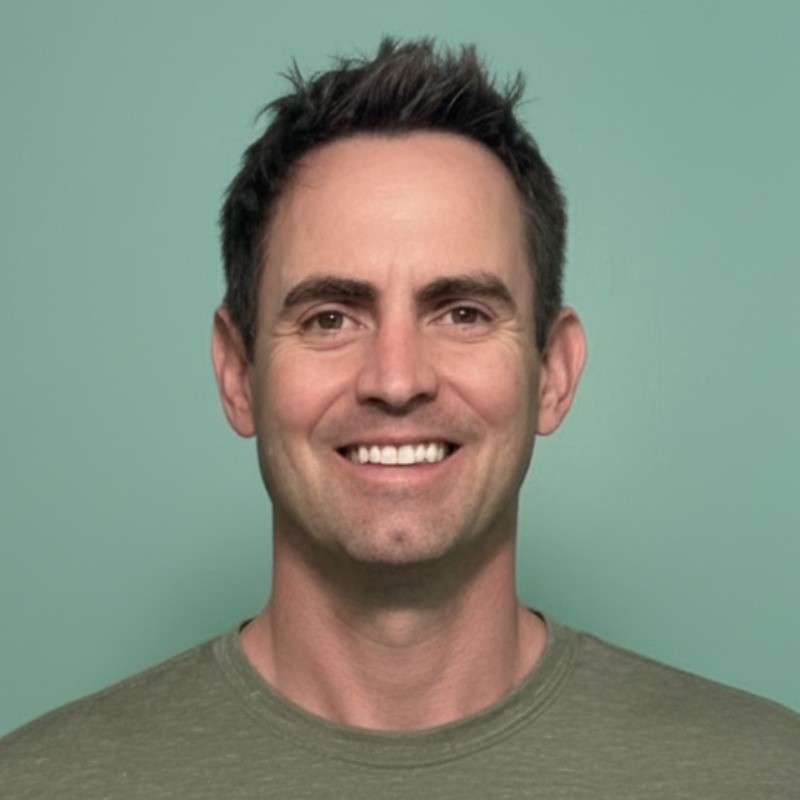
Ezra Firestone has built and sold multiple 8-figure e-commerce brands, from Boom by Cindy Joseph to Overtone, and he's done it by breaking a few rules most operators are too scared to touch — leaning into fear as a marketing lever, killing "me-too" products before they launch, and building an entire brand around a founder who's no longer here to run it. In this conversation, he gets specific: the exact margin math he uses before launching anything new, the content system that's replaced single-creator dependence, and why some of his best-performing ads never mention the product at all.
Inside the episode:
- What actually happened to Boom's ads and community after founder Cindy Joseph passed away — and the moment Ezra knew it was time to stop running her voice in every email
- The "Brittany script" experiment: how one winning paid-creator ad got remade in a British accent, and why customer ambassadors, paid creators, and influencers all need a different kind of script
- Why Boom runs ads about menopause without selling a single menopause product
- Ezra's margin rule for launching anything new (buy for $1, sell for $7) — and the $800K soap brand that broke it
- The "novel, not better" pattern behind Boomstick, Safe Sleeve, and a dentist-branded dog dental chew
- The line Ezra repeats to his team so nobody hides bad news from him: "I will never charge you an emotional price for the truth"
—
Sponsored by OMG Commerce - go to https://www.omgcommerce.com/contact and request your FREE strategy session today!
—
Chapters:
[00:00] Intro: Brett Curry on a live, wide-ranging interview with Ezra Firestone
[01:43] Life gets better with age: Boom's anti "anti-aging" philosophy
[03:58] Enjoying your life is a skill: Gratitude, attention, and "Be Here Now"
[09:12] Why your wellbeing drives your business: Mindset as the foundation for growth
[10:33] Martial arts and opening a dojo: Changing your state and serving the community
[14:02] Losing a founder-led brand's face: Cindy Joseph, Boom, and finding new voices
[21:41] Talk about the experience, not the product: Menopause messaging and community angles
[23:03] Product and offer innovation: Boomstick, SafeSleeve, Overtone, and the 1:7 margin rule
[29:10] Messaging that makes people feel: Emotion drives action, and using fear with integrity
[37:29] Product company + media company: "New and fancy" and creative storytelling
[40:13] Building a culture of truth: Diversity of thought, no emotional tax, and attracting the right people
[44:02] Navigate, don't drive: Delegating, Bezos-style "wandering" time, and wrap-up
—
Connect With Brett:
LinkedIn: https://www.linkedin.com/in/thebrettcurry/
YouTube: https://www.youtube.com/channel/UCQmbMwBW8LYDfFAqNqlgTGw
Website: https://www.omgcommerce.com/
Request a Free Strategy Session: https://www.omgcommerce.com/contact
Relevant Links:
- Ezra’s LinkedIn: https://www.linkedin.com/in/ezrafirestone/
Past guests on eCommerce Evolution include Ezra Firestone, Steve Chou, Drew Sanocki, Jacques Spitzer, Jeremy Horowitz, Ryan Moran, Sean Frank, Andrew Youderian, Ryan McKenzie, Joseph Wilkins, Cody Wittick, Miki Agrawal, Justin Brooke, Nish Samantray, Kurt Elster, John Parkes, Chris Mercer, Rabah Rahil, Bear Handlon, JC Hite, Frederick Vallaeys, Preston Rutherford, Anthony Mink, Bill D'Allessandro, Stephane Colleu, Jeff Oxford, Bryan Porter and more
Transcript:
Brett Curry (00:12):
Hey, Brett Curry here. Welcome to another edition of the eCommerce Evolution Podcast. This is a unique one. This is a live interview I did with my buddy, longtime friend, Ezra Firestone. Now, a few things you got to know about Ezra if you don't know him. One, he is one of the smartest marketers I know. He's amazing on stage. And you also never know what Ezra is going to say. This guy loves his life. He grew up on a hippie commune. He loves to teach. He loves to help people. He's a ton of fun. He's hilarious. And so this topic or this conversation rather is wide ranging. We talk about unit economics, product innovation, and we talk about how to succeed in D2C. We talk about how founder-led businesses succeed and what happens if your founder is the face of your marketing and your videos and then that founder steps away or in the case of Boom by Cindy Joseph tragically dies.
(01:07):
And so I think you'll find this conversation motivating. We do talk about mindset. We talk about some things that maybe you don't normally talk about on a marketing podcast, but this interview was done at the end of an all day event and it was when the audience needed something fun and engaging and just outside of the norm. And so I think this conversation will be highly beneficial, educational, lots of fun, and different than probably any other episode we've done here or any other conversation I've had on the podcast. And so with that, please enjoy my interview with Ezra Firestone.
Ezra Firestone (01:43):
Well, I have a brand that's focused on the idea that women in particular, but in general, all of us, but women in particular are sold this graph of life that your life is pretty good up until you're about 35, and then it's all downhill from there. It's like tuck it in, tighten it up, dye your hair, Botox yourself, anti-age, anti-wrinkle, stop this process of aging. It's all this messaging about how your life is declining, your value is declining over time, which is such horseshit. So your life can just get better. Every stage of life can be more fun, more pleasurable, and that is an attitude that you could adopt. That's a viewpoint that you could adopt, that just having that as a real thing for you will make your life better. To know that as time goes on, you can have more fun, you can have more intimacy, you could have more connection, you could have more friends, you could have more in life, not less.
(02:47):
And that's available to you if you intend for it. And also, if you do, we'll get to some marketing stuff in just a second. If you do, one of the things about our society is we kind of push the old folks away into these homes, which are sort of dark places in a certain sense. I actually know some people who live in these places. Some of them are pretty good, but there's also party available there apparently. So anyhow.
Brett Curry (03:13):
I love it. And so I've known Ezra a long time now. I've been part of his Was Blue Ribbon Mastermind. Now it's called Mentor Table. And so we go back 16 years, forever. I was just
Ezra Firestone (03:23):
Thinking about
Brett Curry (03:24):
When you guys came to - 2010 maybe. Yeah, man. So a long, long time.
Ezra Firestone (03:27):
I may be wrong about this, but I think I told you to start a Google agency in 2012 or 13.
Brett Curry (03:32):
I mean, you definitely channeled us into e-commerce and some of those things for sure. And so one of the things that I've noticed about Ezra, literally one of the best marketers I've ever met, so we'll talk marketing in a minute, but also the community you attract, really cool people, people you want to hang out with. You've also done a really good job. There's something between us here.
Ezra Firestone (03:51):
I can't handle it, man. It's too intense, man. You get this out
Brett Curry (03:53):
Of it. Yeah, yeah. There's better pictures here if we slide in a little bit. Oh, look at that.
Ezra Firestone (03:56):
Bring it in, man. So
Brett Curry (03:58):
One of the things that I've noticed though is that you've sold a business, you've built multiple businesses, you've done very well. You own 170 acres in upstate New York, wildly successful by all measures, but I think you enjoy your life more than most people I know. And I think that's something we all need to hear. Let's crush it in our businesses. Let's be amazing marketers. Let's make a lot of money. But how do we enjoy our life? Because I think a lot of people don't. A lot of people do not enjoy their lives. What are some mindset things that you encounter that allow you to live the way you do?
Ezra Firestone (04:32):
Enjoying your life is a knack. It's a skill that you can develop. And what you have to do is be willing to be gratified by your world. You have to look around and endorse what you have and the people around you and what's available to you. People have so much available to them. And if you just took inventory of all the blessings that you have, I mean, we live like kings of old. We have food available to us. We have time. We're sitting here at Google headquarters hanging out, talking about how to do marketing and stuff. And so it's one of those things where I tell this story a lot on stage, but at certain monasteries, you will go there and they will give you a mundane task and they'll say, "Cut the grass with scissors." And you're like, "Okay, cut the grass with scissors.
(05:20):
Seems too stupid, but okay." And then you're cutting the grass and you're cutting the grass and then all of a sudden you feel the wind or you hear the birds or you see this beautiful insect and it's designed to teach you that the amount of attention and intention that you bring to a particular moment dictates the amount that you are able to derive from it so that the level of experience that is available to you in life in any area is an inside job. And it is about how much are you willing to bring to it? And the more that you invest in your world, the more you get out of it. And yeah, man, I'm interested in having a good time. I know you're about to say something, but I think that the key really is how can you have a good time? And the way you can do that is by being deliberate about enjoying your life and trying to serve the.
(06:17):
Our tagline, as you know, serve the world unselfishly and profit. I think that's a description. I think you profit in the act of service.
Brett Curry (06:24):
Yeah, it's so good. And I really think that the cutting the grass with scissors, that really speaks to you can just enjoy your work as well. And maybe we just need a refreshed approach to the way we look at our work and the way we approach it. One quick thing I'll share while we're talking mindset here. I went through a period of time, some difficult times in business. We had to do some layoffs about two and a half years ago and some other things. I had trouble sleeping. I had trouble sleeping for a little while and the real - Take any edibles, bro? I tried a lot of things, some edibles, tried a lot of things. But one of the things that I've noticed, and I've been sleeping well for quite a while now is - Eye
Ezra Firestone (06:58):
As fuck.
Brett Curry (07:01):
No.
(07:04):
It's awesome. I'm not. But gratitude. So just ending the day with, you know what? There's going to be a time when I'm going to look back and I'm going to say, I wish I could go back to this era, to this moment, to this time. I grew up doing TV in my career and I saw a post that this guy who was probably in his 60s, maybe 70s, he posted a picture of him and this TV crew. They were doing a photo shoot and he's like, "I wish I could go back for one day and do that." And I'm like, "That's going to be us.That's going to be us. We're going to look back and we'll be like just one day at the Google HQ doing the thing." And so if I can enjoy it thinking ahead, I can enjoy it now as well.
Ezra Firestone (07:46):
There was this cat, Ram Das, and his tagline was, "Be here now," which seems very simple, but it really is the secret. Hey, the interesting thing about experience and life is that we kind of think of it as past, present, and future. And that's the way in which we imagine the world in our minds, but you're only ever now remembering the past or projecting the future. You kind of actually don't have, and science is now coming around to this. There's a bunch of stuff on this if you want to get deep into it, but it's like you only ever have this moment. That is what you have. So what are you going to make of it? Are you going to enjoy it? You get to choose. I mean, you live in the West, you're in a free society. It's like you get to choose where you put your attention.
(08:31):
And then here's the crazy part. Not only do you for the most part get to choose where you put your attention, so you put your attention on something you have an experience, you then get to judge the experience as good or bad. You get to plot it somewhere on the worst bad or the best good that ever happened to you. It's like who gets a better deal than that? I get to decide where I'm putting my attention. Then I get to decide if the experience I had was good or bad. Well, you could just decide that the experiences that you're having are good and then you're happier, you're more fun to be around. It is a choice.
Brett Curry (09:01):
I love that. I think it was Seneca that said we suffer more in our mind than in reality, which I think is true. And we do have some product stuff, some founder-led creative stuff that we're going to get into.
Ezra Firestone (09:11):
I mean, also
Brett Curry (09:12):
Let's
Ezra Firestone (09:12):
Just talk about the fact that if you are overworked and underfucked and miserable and up all night and not in a healthy body, how good is your business going to be? It's not going to be very good. So I know this is like nobody ever. I call it the chocolate covered carrot, which my wife does not like that analogy. I need to come up with a better one, but it's like we sell information. We have a business that sells courses and masterminds and stuff. Nobody will buy this shit from us. They want to buy, how do I get more traffic and how do I do this? And then we sprinkle this shit in there of like, well, you got to have integrity and you got to make good things and you got to enjoy your life and you got to treat the people around you in a good way, in a positive way.
(09:46):
That is how you make your business better. If you are having a good time and looking for how you can serve your customers and your world, you're going to do better in business. You live here. Everything that you create comes from your mind. The level of your thinking, the level that you are able to think dictates your success. And so I know you don't want to talk about mindset, but it's kind of like this is as important as the ad creative.
Brett Curry (10:10):
Yeah, totally. Do we have any either BJJ fans or martial arts of any kind fans in the room? All right, this guy's excited. There's two of you. Wow. This is going to land. No, but I think this will be really interesting. So Ezra, you - Two
Ezra Firestone (10:25):
Random bros. This
Brett Curry (10:26):
Will apply to everybody, I promise.
Ezra Firestone (10:28):
The one dude has the one dude with the backwards hat, of course.
Brett Curry (10:33):
So you've been doing judo forever, your black belt, been doing BJJ a long, longtime. You're brown belt. That's an amazing achievement. Both are. You're about to open a gym in upstate New York. So one, why practice martial arts? Two, why own a gym? And then how does that apply to us as business owners? Yeah.
Ezra Firestone (10:52):
So I think humans in general are looking for a few experiences. One of them is getting high. So stay with me, okay? My son is two years old and he has now figured out that he can spin in circles. Why is he doing this all day long? Because it gets him, it changes his consciousness. It is a human experience where we want multiple states of consciousness available to us. We want this. We also want co-mingling, which is like we want to rub up against other people. We are hurting animals. We are group animals. You know the worst thing you can do to somebody? Stick them in solitary confinement. That's the worst punishment we can come up with outside of torture, and it is a form of torture. So there's a few experiences that we want to have. One of them is getting high, which I would just argue is I'm not talking about drugs or anything.
(11:38):
I'm talking about a change of your state and movement practices offer that. Breathing practices, meditation practices offer a change of state, and it's so fucking fun. And so that's kind of like I'm into martial arts for that reason. It gives me a form of self-expression that is one -
Brett Curry (11:56):
A
Ezra Firestone (11:56):
Natural
Brett Curry (11:56):
Good high as well. It feels
Ezra Firestone (11:58):
Really good. And there's some other shit we can talk about with that. So then why would I open a gym? Well, I live in a small town and there's not -
Brett Curry (12:07):
800 people?
Ezra Firestone (12:08):
It's like 800 people in my town, yeah. But it's around other towns and there isn't anything like this. And I got a kid and I wanted to do this for Audra. She didn't make it long enough for me to have a gym for her, but I want to bring my kid. I want to introduce, because martial arts teaches you respect and discipline and honor and integrity and reverence for your elders and reverence for the things that came before you and all these really. And also mobility and these wonderful skills that are valuable to humans. And I want that for my kids and I don't want to have to drive 30 minutes, four times a week. And I also want it for the community. And I have the means, dude. So it's like, why wouldn't I do it? So if you are ever in upstate New York, we're going to have yoga, we're going to have Pilates, we're going to have meditation, we're going to have judo, jujitsu wrestling.
(12:50):
It's going to be awesome. We have a beautiful mural that we're painting, which is my favorite part. We've got this dope mural. It's going to be cool.
Brett Curry (12:57):
And upstate New York you've never been is amazing. And your piece of land is amazing. Love it. Huge, huge fan. But I want it because
Ezra Firestone (13:04):
I think it is a. I think it's. What's that? Yeah, I'm in Accord. It's above New Paltz.
Brett Curry (13:10):
By New Paltz.
Ezra Firestone (13:11):
I think it is a serve the world unselfishly and profit. It's a contribution of spirit to our community and hopefully it can break even or profitable.
Brett Curry (13:23):
Yeah. And one of the interesting things I've noticed about you, Ezra, is when you used to live in fish kill, you joined that gym and got to know people, and then half the gym went to work for you. So Ezra goes a place, he makes connections, he does his thing, and then people are like, "I want to work for that guy."
Ezra Firestone (13:40):
I was banned from hiring people off the jujitsu mat. My wife was like, "No more of these people who can't type. I'm sorry." Some
Brett Curry (13:46):
Of those guys -
Ezra Firestone (13:46):
Some of them went far. Carina came from that. Hey, Carina from Zipify, ladies and gentlemen, if you have a Shopify store and you're interested in upsells, cross sells, and all kinds of fun average order value boosting stuff, please talk to Carina. She's wonderful and she's heading up sales.
Brett Curry (14:02):
I love it. I want to talk a few things creative, and then we just had a great conversation backstage about innovative product offers that I really want to dive into with this group. So Boom by Cindy Joseph, you were a co-founder with Cindy Joseph. Yeah. So tell us that story. So everything was kind of centered around Cindy Joseph. Maybe just
Ezra Firestone (14:24):
Tell the story. I've learned this lesson a couple times, which is if you have a business that is built around one person's identity, that person could go away. They could die in Cindy Joseph's case. Unfortunately, she was like a second mom to me. She's a really wonderful lady. She didn't make it, man. Or they could burn out and be done. It is a linchpin that could go wrong, and it's not the greatest idea in the world to have a sole person. But on the other hand, it works really well. And so now my favorite thing is to have a founder or face or persona, but then have multiple other personas. So the thing with Cindy was like, Cindy and my relationship goes back a long time, but we started this brand together in 2008 and she was the face of it and it was wonderful.
(15:11):
And we built this really great, amazing company together, and then she got sick and she couldn't do videos anymore, and then she passed away. I mean, still to the very end, all of our emails, all of our ads, everything was still Cindy, and we'd kind of tried to branch out, but we hadn't really because it was like all her
Brett Curry (15:28):
Stuff was still working. We had some of her YouTube ads that literally ran for two years unchanged. There were winners. They were amazing. She
Ezra Firestone (15:34):
Was very charismatic and she had a lot to say. One of the benefits of a founder-driven brand generally is that founder is having the experience that the customers is having. If you guys remember one thing, remember this, what your business does is communicates with a group of people, and that group of people tend to be sharing a collective experience. Example, Brett and Jock Legends are using content, this event, as a way to communicate with you guys, a group of people who are sharing the collective experience of running online businesses, and they're attempting to build a relationship, intimacy, connectedness with you through their content in the hopes that you will like them and eventually hopefully do business with them. So what your business is doing is communicating with a group of people who are sharing a collective experience, adding value to their life, and commenting on the experience they're having through content, and then making offers that solve problems that they face.
(16:28):
Founders of brands tend to be in the community that they're speaking to, so they understand the problem and they understand the experience of the community they're speaking to so they can say it the best. And if you can communicate, because conversion is communication, whoever communicates the best wins in the marketplace, not the best product, the best promise wins. Who can make the best promise? Then your product has to live up to the promise that you make. So Cindy was really good at that. I don't know what we're talking about anymore.
Brett Curry (16:54):
No, you were on the right track for sure. So had all these winning ads with Cindy. Oh
Ezra Firestone (16:59):
Yeah. Dude,
Brett Curry (17:00):
Then she died. Then she died. Yeah, yeah.
Ezra Firestone (17:02):
So what do you do, man? Well, the first thing you do. Cindy was down for the cause. She would've wanted the business to go on. So the first thing you do is you keep running the fucking ads, dude, till you can figure some other stuff out. But eventually, it's like everyone was so connected to her and then they're like, "Hey, she's talking to me like she's alive. She's not." And then all your comments are about that, so you got to switch it up. So what do you do? Well, you got to start. The first thing that we started to do, and this was early, I mean, she died in 2018, so it was still influencer, ambassador, customer brand. It was still early days for that. And so what we did was we had our community become. We elevated our community and we created a platform to where, especially in this brand, it was easy because again, like I was saying in society, older women can rob banks and nobody's paying attention to them.
(17:54):
It's like they just get ignored and it's almost a superpower in a certain sense. It's awful. So we had this like, "Hey, comics, what does sexy mean to you at 50 or 60 versus what it meant at 19? What do cosmetics mean to you? How's life going after divorce? What's menopause like? What the experiences you're having? Come talk about them on our platform." And so we used our customers, and then we started getting into influencers, and then we started finding other more well-known people. And so there's a few things. There's your customers who are not professional creators, who make awful videos from a production quality standpoint, but it's authentic. It's real. Then there's paid creators who are people who do not have followings, but know how to make a good video where you write the script and you help them. So you have your customer ambassadors, you have your paid creators, then you have every spectrum of influencer, micro influencer, macro influencer, celebrity, and then you have AI.
(18:47):
And it's like everybody knows all this, but basically what you want is a number of voices. And what will happen is you'll find one person like Safesley right now. I have this company, we do cell phone radiation cases where we protect you from the radiation in your phone. We had this one woman, we wrote a script for her. She's a paid creator named Britney, and it's like all of our spend goes to Britney. So we took that same script and we then though, I wonder if we could do. Because Britney's video was actually mostly not her. It was mostly demonstration of the product and she was talking about it. I was like, okay, this script is working. Britney's working. What if we did this in a British accent? Because it turns out Americans, for whatever reason, think the Brits are cool.
Brett Curry (19:25):
We trust a British accent.
Ezra Firestone (19:27):
Something about it.
Brett Curry (19:27):
Just trust it smarter. Now the
Ezra Firestone (19:28):
Britney script with video. So I'm a big fan of voiceover and B-roll and voiceover, so we do a lot of those kind of ads, but you just do a bunch of diversity and you try to also have faces of the company. So people within the company, our founders, our customer support team, but you have to figure it out. You can never -
Brett Curry (19:46):
Multiple faces, multiple avatars. Yeah. When
Ezra Firestone (19:49):
Cindy left, we lost our sexy. Cindy was sexy. She was confident. She was like. Sexy meaning not in the vulgar term, but she just had that it factor. We've never had that since. We just don't have that.
Brett Curry (20:02):
Yeah. Gray hair, beautiful, just radiated this charisma. People said, "I want to be like that."
Ezra Firestone (20:06):
But we've been successful even without it. So it's like you can lose your founder if you're willing. It's a lot harder to. You have to put a lot more effort into creative, but you can do it. And you're here learning all about different creative strategies and production models, but you just got to do it.
Brett Curry (20:20):
Hey, this episode is brought to you by OMG Commerce. That's the agency that I get the privilege of running. You ever feel like it's Groundhog Day when it comes to your marketing where every day's the same, you're still relying on the same channels, you got the same ads you're leaning into? Maybe it's time to diversify. Maybe it's time to unlock new growth. That's what we specialize in. My guess is, if you're like most brands, you're probably leaning heavily into Meta ads and long-lived Meta. We love it, but you're probably missing YouTube ads. And my guess is maybe Google is underleveraged as well. We've helped multiple brands go from zero to five, 10, 15, even $25,000 a day. We helped Karenika hair regrowth product go from zero to $1 million in YouTube ad spend in 90 days while hitting their CAC target. And we'd love to see if we could do the same for you.
(21:13):
So we'd love to chat, talk about what it takes to scale on YouTube and how ready you are right now. So let's chat and go to omgcommerce.com, click the let's talk button, and we'd love to help you dominate with YouTube ads. So tapping into the community both to understand what do they want and value and need to hear and what about your brand resonates with them? So you got to understand that, but then also leveraging the community to create the content. And so kind of doing both of those things.
Ezra Firestone (21:41):
And talking to them about experiences that they're having that aren't even related to your product. I got a friend who's got a brand about I have to pee a lot. I've been getting better. I had to do some mold detox type stuff. But dude, if you have to pee all the time -
Brett Curry (21:54):
Drink a lot of water. But
Ezra Firestone (21:56):
This is beyond that, dude. This is like having to pee too much where it disrupts your life because I got mold poisoned. It was a whole thing and it made me have to pee all thetime, which is a pretty miserable experience. But if you're somebody who has to pee all the time, then it's like other things. I can't remember his ad, but it wasn't even about the thing that helps you not pee very much, which is think about it this way. If you're somebody who has to pee a lot, you are kind of like a dry house plant where the water just goes right through you. You can't absorb it. It just doesn't absorb into you, and so it just goes right through. You got to pee all the time. His ad, it was about, I can't remember if it was like you're on an airplane and you got to get up 20 times.
(22:35):
It was about some experience that you're having that is related to it, but not even about it. So if you can talk to people like in Boom, we're talking about menopause. Our products are not related to menopause. We do not have menopause - Skincare. Yeah. But because the group of folks that we are running ads to and trying to communicate with are having the experience of menopause, it gets their attention. And then we're like, "Hey, by the way, this makeup." So you could lead with things that aren't even product focused or solution focused in your ads.
Brett Curry (23:03):
I love that. So we were talking about before we got on stage, we were talking about offer innovation, product innovation. And so one of the things, and maybe you can tell the story a little bit with Boom was the Boomstick. Yeah, man. And nobody had the Boomstick. Nobody was speaking to Boomer women. You guys just nailed it. It was so unique. So talk about the innovative product offer, but then you also alluded to something a minute ago. It doesn't have to be the product. It could just be the messaging, so it could be both, but let's talk product first. Yeah.
Ezra Firestone (23:33):
Okay. So innovative product. When we created the Boomstick trio, the idea of a multipurpose blush stick wasn't around. It's like this thing can do a million different things. Your whole makeup bag, throw it away. You just need these three simple sticks. So it was like this idea of this multipurpose stick, which is now everywhere. Everyone has them, Sephora and Mac, and every internet brand. Their Chinese got them on Amazon. They're everywhere now. It's been 15 years. We popularized this sort of idea behind this product, but it was novel. Navaj, rinse out your nasal cavity and that will have you feel healthier, breathe better, not snore. Yes, people knew about Netipots, but not really. It had not penetrated mainstream. It was a novel concept.
Brett Curry (24:13):
Anybody know Navaj, the automated. Oh, look at all the Navaj fans.
Ezra Firestone (24:17):
Let's go.
Brett Curry (24:18):
Big fan of Novaj.
Ezra Firestone (24:19):
Hey,
Brett Curry (24:20):
What's up? Look
Ezra Firestone (24:21):
At that. Nice to see you. Oh, dude. We should -
Brett Curry (24:24):
Oh wait, is that a boomstick right there? Can you hold it up? Boomstick right there. Can we pass it around and let people try it? No, I'm kidding.
Ezra Firestone (24:29):
Next year I'll put it in, come back. I'll put them in the bags. So SafeSleeve, right? It's like in the 40s, the tobacco companies knew that all the carcinogens and tar in their cigarettes were fucking people up, but nobody found out until the 80s. Well, the same thing is true with these. You open up your cell phone and you go to the general and legal section, there's a notice about RF exposure because they know these things are kind of toxic, but that has not been popularized as the concept. So this brand is working really well because it's an innovative product. It's an innovative. It's something that people haven't heard about. We have this toothdecay powder for dogs that's taking off because it turns out for dogs, one of the reasons that they have a hard time as they get older is their teeth decay and that creates heart disease and all these problems.
(25:15):
And so what's interesting about that product is
(25:18):
Tooth decay shoes have been around, but there has not been any dentist formulated where the dentist is a face of the brand. So we started this brand. I want to give you guys one really cool strategy that I've used as I've gotten further along in e-commerce, and I won't forget about it, get to it in just a second. But basically the brand is like, "Hey, I'm this dentist and I made this thing for my dog. I spent all my time working on human's teeth and I realized my dog's teeth are just as important." And so it's an innovative angle to sell that product. It's a dentist angle. Now we got a bunch of dentists talking about it. It's not that innovative. Anyone could have thought this. It's like, okay, we got some dentists. But if you can have a product that is some level of novel, if there's something that's unique about what you're offering, it's so much easier to sell.
(26:07):
If it's not just a me too product. As an example, with Boom right now, one of the experiences that women have, we aren't actually going in menopause and postmenopause, is under eye circles. A change in hormones causes dark circles. We are not a you're broken and you need to be fixed brand, so it's not really our bag of tea to tell you that there's something wrong with you that we can fix for you because we think you're perfect just the way you are. But this is a hormonal experience that happens and there's certain ingredients that can. They won't change your skin, but you need my formulator on it. But the point is this product is working really well because it's unique and it's novel and it's solving a problem that these folks want solved that isn't being solved at other places. So novelness in product.
(26:49):
So another quick example of this, we have an ads agency and we'll run your ads on Facebook and one of these brands, I think you run their Google, you put on the leggings as women like the Lululemon.
Brett Curry (27:01):
Oh, they're here.
Ezra Firestone (27:02):
But the leggings, as you walk around in them, work you out. So it's like working out while you're walking around. They got some resistance in them. That's a novel and unique thing. So a unique angle or a unique product really helps. And the last thing about product is margin is everything. I have a soap brand. I still make this mistake from time to time. I bought a soap brand for 50 grand two years ago from a friend. He didn't want it anymore. It already had product market fit. I like soap. I thought I could make it better. I had a CEO who's going to run the company, and we're up to $800,000 a year now in two years. We're not making any money. There's just no margin on a $9 bar of soap. And we're going to probably sell it and lose money on it.
(27:41):
I'm like 200 grand into this thing. It's kind of sad. But the idea is you kind of want to buy for one and sell for seven in today's marketplace. Buy for five, sell for 35. That'll give you enough margin. If you're buying for 20, you could sell for 60. You could buy for one, sell for three if you're buying for more expensive because there's a little more margin there, but you need margin. That's the most important thing.
Brett Curry (28:04):
Yeah, I love it. And just realized we mentioned Overtone, but - Oh yeah, I didn't say that. But Overtone is also a unique product, right? It's the healthy, temporary coloring conditioner. That was a novel product as well,
Ezra Firestone (28:17):
Right? So the problem with coloring your hair is that it damages your hair. By the very nature of the product you're putting on it, it is going to damage your scalp and it's going to damage your hair. The women who created Overtone were like, "Hey, we could do this and do it in a way that doesn't actually damage your hair." Now, the trade-off is that it's less powerful. It doesn't stay as long. It's a semi-permanent, but it became really popular because it was less damaging to your scalp, less damaging to your hair. So it was kind of unique. Yo had to use it more, but it kept your.
Brett Curry (28:44):
But then you use that as a selling angle of you get to change the color and you get to try a different thing. It's a unique angle there as well.
Ezra Firestone (28:51):
And Skylar is on our TikTok team here. She runs TikTok. Give it up for Skylar, ladies and gentlemen in the back. Skylar.
Brett Curry (28:56):
Anybody wants to
Ezra Firestone (28:57):
Talk TikTok, talk to Skylar. Anybody wants to partner with Overtone? We do giveaways, we do partnerships, all kinds of stuff. And we may be getting into Walmart now, so it's going really well. Fingers crossed. But yes, unique offer. Something unique about it.
Brett Curry (29:10):
Yeah. And then what about also the messaging piece? Because I think that's something you can do as well where it's not just the product is brand new, but it's well maybe just no one is talking about it in the right way or no one is talking about it in this way and we can.
Ezra Firestone (29:28):
Yeah. I'm sure you've got a million ad formulas here from AI ad formulas. Obviously Jock's got the best ad formulas in the world, Raindrop. I think the key though is can somebody hear something and feel it emotionally like, "Oh, that's me." I hear these ads about. I thankfully have done a million different things over the last five years to clear this mold issue that I had, and I don't have to pee all the time. I haven't even peed Once since I got to New York City. Good job. Dude, you have no idea how life-changing it is. But when you're having an experience that is that you judge as negative, I did not like the fact that I had to pee all the time. I could have changed my mind about that. I didn't. I didn't like it. I decided this is bad. Also tough
Brett Curry (30:19):
When you're on stage and running events and like, Hey guys, I'll be right back.
Ezra Firestone (30:22):
Thankfully it was mostly during COVID, so it was like I was at home anyways. But yeah, it would've been rough on the road. You have to be able to have somebody feel. The interesting thing about communication is people say, "Well, I said that thing to them." But it's like, "Yeah, but did they hear it?" You have to take responsibility for what they hear. After a conversation, an important work conversation, I will ask somebody at the end, "Hey, so what did you hear?What did you get out of this? What did we just agree on?" And most of the time it will not be what I was saying. So I'm like, okay, so you got to take responsibility for what they hear. Number one, that is communication. It's not what you say, it's what they hear. And two, if you're going to have good messaging around your product, it has to have people feel something.
(31:10):
What do you want them to feel? That is the question. And if you know what you want them to feel and you can cultivate that in them, longing, desire, fear of missing out, whatever it is, you have to create a feeling. And good messaging makes people feel, and it is related to an experience they're having. If they're not having the experience or someone they know isn't having the experience, it's not going to work. So you have to know who they are, know what the experience they're having is, and be able to talk to them about it and then wrap it around your products. I know it sounds esoteric and I should have an example for you. I'm not coming up with one in the moment, but that is the game.
Brett Curry (31:45):
I love that. And then I 100% agree. If you don't evoke emotion, if you don't make somebody feel something, they will not take action. They may agree with you or nod their head a little bit, but if there's no emotion, there is no action for sure. And this is something that this is kind of harder to do now, but back when we would just show an ad to a group of people and you get to watch their reactions and see what they do, you would always look for moments when they lean in or when they maybe tear up a little bit or something like that. Or I remember hearing BJ Novak, who is one of the writers of The Office, he was also. Shoot, what was his character? I don't even. Ryan, whatever, it doesn't matter. But he's like, "Humor is a physical reaction." If someone says to you, "That's funny." You're like, "I don't think you though that was funny." But if you have a physical response, that's when you know it was funny.
(32:39):
And I think the same is true with a good ad. If someone has a physical response, a physical reaction, it's because they felt something. And if they didn't feel something, they won't take
Ezra Firestone (32:49):
Action. One of the things that you can do is you can go through your life and you can notice when you're impacted by something you hear. I recently had this experience. We're opening this dojo. I'm putting a lot of money into it, and my town's small. I'm usually very enthusiastic and very overly optimistic, is a light way of saying it, which has served me really well. Also get you in some dangerous territory. A
Brett Curry (33:13):
Little bit delusional as an entrepreneur. Sometimes we're a little bit delusional.
Ezra Firestone (33:16):
Out of my mind. But I've been feeling like, man, am I going to get enough people in this dojo? There's not really people around here. We don't even have a Pilates teacher. Where are we going to find one of these? Having a little doubt around it. I watched this Instagram video, which I will send around really fun, about this guy who got shot. I know. It starts off, he takes you down, man. He gets fucking shot at a house party and he chases these people. His family and kids, it was a robbery and it was the whole thing. He chases him down. He's dying. They stitch him back up. He gets saved. He quits his job. He doesn't want to work at his job anymore. And he goes to work at Target and he's driving back and forth on the bus and he looks up and he's like, "Man, this..." There's a big logo for the town.
(34:00):
He moved out to the country in this town and he's like, "This logo just is not doing our town justice. What if I reach out to the town and say, I will do your logo." He was at an ad agency. Y should watch this video about him. I'll send it to you. And the town lets him do the logo and he does this logo and then he does the firemen and the police of the town. Then he gets $100,000 from the town to do all this amazing stuff. Then all the biggest design books pick up his logo for this town, and he's in the most famous design book with Apple logo and this other logo, and then other towns reach out to him. All to say, it was such an inspiring and fun story and I resonated with so many parts of it. I was thinking about the story, about how he told it, how he put together who he was.
(34:44):
It was very much a good to better story or sorry, bad to good story, which are fun stories. But all of a sudden I felt like, oh, our dojo's going to do great. I was all inspired about our local dojo. You got to watch the video. I'm not explaining it well, but I am going to go back to that and think about at what point was I hooked? What about it had me feel inspired and optimistic? I do that. I think when I am impacted, I think what impacted me? And then I'm like, all right, I'm going use that. I'm going to figure out how I can use that. Authentically, you're not trying to hustle anybody into your bullshit, but you want good stories and you want to impact people in a positive way or you want to have whatever impact. This is the first product I have ever had where I am using fear as a strategy to sell something.
(35:34):
I've always been against that. I've been like, I'm not trying to fucking. There's enough of these people. You stink by deodorant. Your teeth are too fucking yellow. Whiten them. Your hair is falling out. Get some of this bullshit on your head. There's enough of this telling people that they're freaking people out about non-existent problems and then selling some shit on the back end of it. I do not want to participate in this. Okay. Now, this has been by stance, right? But I got a cell phone from my mom when I was 15 and she had one of these stickers on it, which is like a radiation protection sticker. They are bullshit. They don't work. But she was freaked out about EMFs and I inherited this fear. It's interesting, you're conditioned by the people who raise you. One of the pieces of conditioning that I received that you can check the shelf life on your conditioning and decide you do not want this piece of conditioning to rule your world anymore and you can change your fucking mind, but I never did that.
(36:30):
So I had this piece of conditioning of like, "Hey, cell phones have some radiation that is not good for you." And I've always been some level of afraid of it. My mom sent me one of these cases when they came out back in 2015. I was on a webinar talking about whatever, and I was using the product. These people reached out. They're like, "Hey man, we're on your webinar. Are you using our product?" I've built a relationship with them. Recently they reached out a couple years back and was like, "Hey, we are looking for an investor. We're trying to get from eight figures to nine figures, whatever." So I joined. You cannot really sell this product without explaining that we think there's a real problem here and this problem unfortunately is going to freak you out a little bit. And it turns out fear is a really wonderful motivator for people to take action.
Brett Curry (37:09):
Fear is still valid emotion, right? It's an emotion that we experience.
Ezra Firestone (37:13):
You can do it without being a nefarious asshole. You can do it in an authentic way. So long story short is you can think about the emotions that you're trying to evoke in people and deliberately set these up and you can do it in a way that has integrity and it's effective.
Brett Curry (37:29):
Yeah, I love it. Time for one last question, and then the good news is we're rolling into a bigger Q&A and Ezra's going to be on the Q&A panel, and so ask him anything you want at that point. One thing I've noticed about you, Ezra, so you're really good at obviously talking mindset and thinking about big picture and enjoying your life, all the stuff we talked about, but you're also really good at. And because I've seen you operate now multiple businesses, been on calls with you where it's almost judo-like or BJJ like where you're guiding things and moving things. But how do you know what to work on next? Because you're really good at product, you're really good at conversion rate stuff and product detail page. You're good at traffic, you're good at offers, and you built a good team as well. But how do you operate and say, "What do we need to work on next?"
Ezra Firestone (38:14):
Well, there's only three things you're ever working on in a business. Product, you got to develop. You have to optimize, you have to develop, you have to launch. You are a product development company. If you can get a customer, they will buy other stuff from you if you can make stuff that they're interested in. So first and foremost, you can't just have one product anymore in e-commerce. It doesn't work. So you have to be developing, which means what are people interested? How can we make what we have better? At Overtone, we're in talks about, "Hey, could we take our single origin plastic tubs, which are virgin resin plastic, and could we make them post-consumer resin? Can we make them more sustainable?"That's product development. It's a way we could talk to our community and say, "Look, we care about sustainability. We made our products better in this way." That's a part of development.
(38:56):
It's making the things you have better. My favorite product development tactic is new and fancy. Something I have, I got a newer and fancier version. This is the best. It works on everyone. I am such a sucker for new and fancy. Do you know how many stupid electric skateboards I have bought? They're all the same, but they got a newer, fancier one. So new and fancy is my favorite. We talk all about product development. You are constantly working on product. You're always working on it. Always.
(39:18):
Developing, making it better.
Brett Curry (39:19):
We are product companies at our core.
Ezra Firestone (39:21):
Exactly. You're a product company. Then you're also a media company, storytelling, messaging, ads, landing pages, articles, videos, creators, influencers. You are creating media. You are telling stories. You are looking to engage audiences in conversations. So you're constantly making product, you're constantly producing media and telling stories, and then the rest is ops. You're operating. You got support, you've got logistics, you've got all the things that go into operations. It's like product, storytelling, and operations. That's it. So I'm looking to how can I make those things better? And what I'm really good at is listening to the people around me. I think I got some good viewpoints and some interesting life experience, but one thing that happens in companies is you end up with homogenous viewpoints, meaning everyone's afraid to express themselves for fear of they will be punished.
Brett Curry (40:13):
They want to do the safe thing. Yeah. Let them agree with everybody else.
Ezra Firestone (40:16):
So then you have the founder who's got one set of viewpoints, a good set of viewpoints, but you don't ever end up having diversity of thought. At my companies, I have been really, really good at three things with people. One, if you see something from. Because it takes all of us to run. In the corporate hierarchy, I am above you, which means I have some form of power over you. And when you have power over someone in a relationship, they won't tell you the truth because they're worried that you could use your power against them. So it's very hard to understand what the fuck is going around out here, around here if you're at the top. But as a human, we are of equivalent value and wherever you are in the organization, we need you to run the company. So from your vantage point, you can see shit I can't see.
(40:59):
I want to know what it is. I am not going to take the feedback every time, but I promise you, you will never be punished. In fact, you will be celebrated. We reiterate this to people. What do you see that could make our products better, serve our customers better? Are we doing some stupid meeting that we don't need to be doing where you're wasting time and you're annoyed? Don't come to the fucking meeting or tell us you don't want to do it. So people feel right about expressing themselves. I recently got into a company that I got back into. People are all traumatized. It's a mess. Nobody is talking. It's like I'm still untangling this hairball, but if you are willing to listen to the people around you and not charge them an emotional price for telling you the truth, because what happens a lot is someone tells you some truth if you're a leader and then you get all pissed off and you charge them some crazy emotional price because they told you what they thought
Brett Curry (41:48):
You an emotional tax for it. Yeah.
Ezra Firestone (41:49):
I do not charge you an emotional price for the truth. I am happy to hear what you have to say and I'm interested in it. I may disagree with it, in which case I will tell you. And that's one thing is I will listen to the group of people around me and now there's a bunch of minds supporting this. It turns out in business, actually, the key is yes, you got to make product, you got to market product, whatever. The thing that's more important than that is you got to coalesce a group of people around a goal and keep them together. All the turnover, all the people leaving, that holds you back. I used to be able to say, I've been a CEO for 18 years, I have 170 employees and nobody has ever quit. Not a single person had ever quit in companies that I built and grew from the ground up.
(42:26):
Then I gave this whole speech all about it. How do you do it? And then fucking two weeks later, five people quit. It was a company I had bought, I bought so it wasn't my culture and I was like, "Oh shit, I can't say that anymore." But you got to coalesce a group of people over time around a common goal. Treat them as real humans, have goals for them. So one thing, if you see something, say something. A way we can make our product better, serve our community better, or you could be having a better time here. Two is you as a person, I want your time here to be beneficial to you. I want to pay you as generously as I can. Obviously I can't pay. You want the highest paycheck? Go work at some corporation that's going to beat you down and work you 60 hours a week and not care about you.
(43:06):
It's like that's not here. We're going to give you a good work-life balance, the best of our ability. We're going to treat you well. We are not going to be able to pay the best salaries. We're going to be as competitive as we can, so we're as generous as we can be and we offer as best benefits as we can. That's everything from how it feels to work here to the holidays to the 401ks and all that stuff. And also, we are interested in you growing. So when you're here, it's like, okay, you come in as a support person. I want you to be the best social media manager in the world within six years. Here's how we're going to get you there. You're going to go through these courses. You're going to read this Slack channel that's going to populate from these blogs. You are going to be training and developing so that even if you leave, you're going to be better off when you leave and then people don't leave because you care
Brett Curry (43:43):
About them. The right people are attracted and the right people stay because of that.
Ezra Firestone (43:45):
So I try to take care of my people. And then I had one other thing that I've now forgotten. Yeah, and I think I'm over time anyways, but
Brett Curry (43:53):
I think that's the
Ezra Firestone (43:53):
Key.
Brett Curry (43:54):
Dude, and getting to watch you with your software businesses, with the various e-commerce businesses, your real deal in operation.
Ezra Firestone (44:02):
If you want to scale, you've got to navigate, not drive. And it's hard for entrepreneurs to not want to drive the car, to micromanage, to do it themselves, to run the projects. It's like, stop doing all that. Just find people who are good enough and let them do it and then give them feedback and give them guidance and give them support and get them coaches and get out. Anything you're doing, give to someone else and get them good at it. I don't do anything anymore. I talk to people about what they do. I'm a fluffer. I fluff things around. I make things good. And that has allowed me to really be able to scale because I'm not really doing any of the driving. I'm looking at the mountains in the distance. I'm figuring out what's going on. I'm thinking about strategy. One last thing, I'm sorry for taking up all this time.
(44:43):
Last thing,
(44:44):
You may think Jeff Bezos is a weird TRT out fucking looking like a big toe kind of dude. He's a strange cat. You may have your issues with Jeff Bezos and however he treated his wife, which was poorly, so fuck that guy on that level, but that's how I feel about it. But you cannot argue with the fact that he's a wonderful entrepreneur. And one of the things, because I do this and I was like, man, he put words to it in a really good way, which is he has time. He has two days, I think he said in this podcast, nothing scheduled. He wanders. He wanders around, he talks to people, he thinks. So if you could have four hours, if you could have four hours, just four in your work week where you have no input, meaning no phone, no book, no podcast, nothing, and only time to think, time to think.
(45:39):
This is why people are like, "My best ideas come in the shower." Why? Because you stopped for a fucking second and you got to think. So I have a lot of time to think. He calls it wandering. If you create, because what I've found is it takes about 90 minutes for the bullshit to wear off, all the Instagram and the social media and the ads and the fucking. It's like about 90 minutes in, all of a sudden you can think clearly and that two and a half hours of clear thinking per week will change your life. And you just have a notebook and you sit outside or you go on a walk. I like to sit somewhere because I like to write and you just. The goal is you don't have a goal. The goal is just whatever comes up is valid and you think about it and nobody does that.
(46:19):
And that is the one thing that a leader that would benefit leaders so much clarity of thinking and you cannot have it unless you deliberately create the time for it without any input regularly. You get deeper the more you do it. It's kind of a meditative practice.
Brett Curry (46:35):
Amazing. This was the easiest interview I've ever done. This is just super - I know I'm sorry. Talked over you. No, this is fantastic. Ezra Firestone, ladies and gentlemen, give it up. That'll do it for this week's episode. One final mention, if you feel like you've stalled out with your growth, if you feel like you've missed opportunities, and if you feel like your current team or agency, they just don't have that buyer anymore, or maybe you feel like you've outgrown them, we would love to chat. You may be missing opportunities and we don't want to miss an opportunity to work with great brands. So if you'd love to scale on YouTube or Google or Meta or Amazon or email and SMS, or just like a second set of eyes to look over how you're growing right now, visit us at omgcommerce.com and we can't wait to help you scale profitably.


.jpg)


.png)

