




Creative volume isn’t the unlock. Better messaging is.
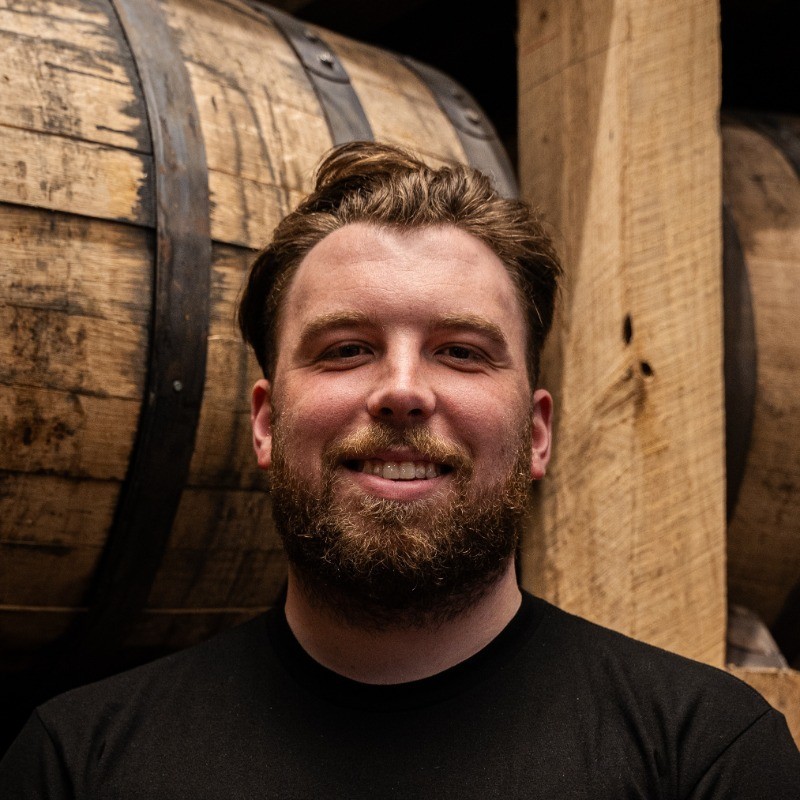
In this episode of eCommerce Evolution, Brett sits down with Nate Lagos (CMO of Adapt Naturals, former Head of Growth at Original Grain) to break down how great storytelling drives real performance.
From selling wooden watches through emotional positioning… to increasing AOV by reframing gift messaging… to building ads that scale without “fatigue” — this episode is a masterclass in understanding why customers actually buy.
If you’re a DTC founder, CMO, or operator tired of launching more ads without improving results, this conversation will recalibrate how you think about copy, positioning, and brand personality.
Chapters:
(00:00) Intro
(05:05) Nate’s origin story, and why storytelling became a “performance lever”
(07:40) Selling the story behind the materials
(10:30) Customer motivation deep dive: status, identity, and gift-giving
(15:05) Creative quantity vs quality
(19:05) Finding the real “why”: research methods
(23:10) Brand as “personality”
(30:10) Testing surprises + valence/intensity framework
(37:15) Practical frameworks: adjective formula
—
Connect With Brett:
- LinkedIn: https://www.linkedin.com/in/thebrettcurry/
- YouTube: https://www.youtube.com/@omgcommerce
- Website: https://www.omgcommerce.com/
- Request a Free Strategy Session: https://www.omgcommerce.com/contact
Relevant Links:
- Nate’s LinkedIn: https://www.linkedin.com/in/natelagos
- Adapt Naturals: https://adaptnaturals.com
- Original Grain: https://www.originalgrain.com/
Transcript:
Nate Lagos:
The reason I stress so hard that personality and brand personalities need to be flexible is because we don't have one why. There's not one reason why people are buying.
Brett Curry:
Well, hello and welcome to another edition of the eCommerce Evolution Podcast. I'm your host, Brett Curry, CEO of OMG Commerce. And today I am absolutely thrilled to welcome to the show Nate Lagos. We are talking all things better creative, better storytelling, better copywriting, knowing your customers better, better branding and positioning. How does that fit into performance marketing? This guy is an absolute legend. We met when he was serving his head of growth at Original Grain, saw them through tremendous amounts of growth. Now he's a CMO of Adapt Naturals. We're working together and loving it. And so he's also the host of the Tactical and Practical Marketing Podcast. Check it out, one of my favorite follows on X. So with that, Nate Lagos, what's up, Nate? Welcome to the show. And how's it going, man?
Nate Lagos:
Brett, thanks so much for having me. Man, it's going good. The year's off to a busy but hot start. I'm excited to get into what we've been working on.
Brett Curry:
Totally. And this is for the supplement and health space. This is go time for you. And I know you guys, you really hit the ground running when you joined Adapt, and so excited to see how that's progressing.
Nate Lagos:
Yeah,
Brett Curry:
Definitely. So yeah, man, want to get practical here, just like your podcast. But before we do, I think it'd be really interesting to one set the stage. So we met when you had a growth at Original Grain. Feel free to talk about any of the experiences there because that was just tremendous growth. But then we really got to know each other. We both spoke at the same event in New York City, Digital Growth, not Digital Growth, D2C Growth Summit. Shout out to our buddy, Johnny Hickey, what's up? And we both spoke there, got to know each other a little bit. You walked on stage before me and you were wearing a cowboy hat, great look and aviators. This is a choice. And you're like, "Hey guys, I'm using notes here and wearing aviators because I got bucked off a bull and I have a concussion." We're like, "What?" First of all, that's the coolest intro ever.
Brett Curry:
I've thought about just doing that even though it wouldn't be true, just to see what kind of reactions I would get. But tell us about that. So you write bulls in your spare time and how did you perform such a good talk while concussed? Yeah.
Nate Lagos:
And do
Brett Curry:
You have a concussion right now?
Nate Lagos:
No, I'm not concussed now. I can tell you, these ribs still hurt from that injury, but the brain has bounced back. We're good there. No, but the reason that all came together was because I wrote the presentation before I went bull riding. So the notes were good, the deck was good. Everything was locked in. Sunday, I was like, let me buck some bulls. First one bucked me off, stepped on me, broke three ribs, but I was like, "I can do better. Let me get one more in quick." Landed directly on my head, concussed pretty bad. So that was Sunday and then hopped on a plane Tuesday for that conference. That's crazy, man.
Brett Curry:
That's crazy. Yeah. Kudos to you, you really couldn't tell. It was great. And you broke down storytelling and what you did at Original Grain, which we got to observe that. I know the founders love that brand. Just tremendous growth there. But let's dive into that a little bit. Let's talk about copy and storytelling. I want to talk brand. I want to talk knowing your customers and a few other things. But how do you approach storytelling and copywriting in general? Because you're more gifted than most at that. So I'd love to just know, what is your approach?
Nate Lagos:
Yeah. Copy was something I slept on early in my career. I became a CMO at 24 of a company called Dugout Mugs, made baseball themed barware. I didn't do any copywriting there. I mean, sorry, I was writing copy. It was not thoughtful. None of it was good. But we had a super unique product. We tested offers a bunch, saw good growth there. But it wasn't really until I got to Original Grain that I felt the need and got into storytelling as a performance lever. When you look at a watch made out of wood, there's a bunch of different ways you can sell it. When I tried selling it as a watch made out of wood, didn't go over that well. I can't- Would
Brett Curry:
You like a watch made out of wood?
Nate Lagos:
Yeah. I can't tell someone like, "Hey, do you know wood? Do you know the thing that's the most renewable and cheapest resource on earth?" Yeah, we put it in a watch and we're going to sell it to you for $300. Everyone's like, "Eh, no."
Brett Curry:
No, thanks.
Nate Lagos:
But when we start to get into the stories behind the materials our watches were made from, and I started to tell you that this isn't just wood. This was a tree that was planted likely in the late 1800s and grew for 70 years. And then it was chopped down, harvested. It was turned into a whiskey barrel where a master distiller filled it and it aged the whiskey for another decade. And then we got it and cut it and plained it and sanded it and inlaid it into your watch. So now you can carry a piece of American and whiskey history on your wrist, then you're going to buy that for 300.
Brett Curry:
And made me feel like you're getting a steal
Nate Lagos:
At that 100%. Yeah. And that really kind of opened my eyes to the power of words and I have not slowed down on it. Copy and message testing was like the first thing I did at Adapt. I still joke with the team internally that CMO stands for chief messaging officer because that's what I try to spend the most time on, but it's been crazy powerful. The performance gains we've had from it haven't stopped yet.
Brett Curry:
Yeah. I love it, man. And I like studying some of the classics and some of the greats in marketing. I just reread Ogleview & Advertising, which is a classic kind of skimmed through again, My Life in Advertising and Scientific Advertising by Cables, I believe it was. And then one of those guys, I can't remember which one, but talked about advertising for Schlitz Beer and how they really grew market share for that beer company by talking about the Artisan Wells and the way they treated the bottles and the way they went through the brewing process. And turns out it was actually the way that everybody did it, but they just told the story better for that time. It fit that time. I know it might not fit now. Now we just need to show sports or girls or whatever to sell beer. But it worked at that time.
Brett Curry:
It was a brilliantly told story, even though anybody could have told it and it sold a lot of beer. And so it's like taking some of those classic timeless things. Humans have been telling stories forever, but channeling that for good marketing. So yeah, walk through some of the ways you approached it from Original Grain. Was it just understanding the story? Was it understanding the customer first? Was it a lot of trial and error to see, okay, this angle works, that angle falls flat? Probably a little bit of all of that.
Nate Lagos:
Yeah. It started early on there. I was not a watch guy. I walked into that brand, never having owned a watch, never wanting to get into that world,
Brett Curry:
But
Nate Lagos:
It sucked me in and it's grabbed me now. But early on, I was asking simple questions about the industry like, why do watches exist? Why does someone buy a watch today? And I quickly found out the answer was not so they know what time it is. Right. Got a phone
Brett Curry:
For that.
Nate Lagos:
That is reason 99 out of a hundred why someone could buy a watch. But I started to learn from industry research, from some customer surveys that the men who are buying the watches for themselves are buying it as a status symbol. They want to be respected by their tribe. And if you're in a conference like we are, status in that room is a Rolex. But if you're a blue collar guy who's known as the whiskey guy in his group's status in that group is not a Rolex, it's an original grain watch in laid with whiskey barrel wood. So that was really eye-opening.
Brett Curry:
When I buy this product, what does it say about me and what does it say about me to the people I want to impress? 100%. With the people I'm around. Yeah. 100% super
Nate Lagos:
Interesting. Yeah. And then I quickly found out that over half our customers were women and we only sold men's watches. And I was like, "What is going on? " And the reason that they were buying for the men in their lives was most commonly it was the wife of that blue collar hardworking guy. And she very visibly sees all he does to sacrifice for the family. She knows he gets up early, works late, works hard, and has sacrificed a lot to provide for his family. And these women we found didn't have a way to reciprocate that. They didn't have a way to show him that they appreciate and value and are so grateful for everything he does for them. So our messaging changed drastically around gift giving times where we didn't start saying like, "Hey, if your husband likes whiskey, get him this watch." These wives don't like how much their husband drinks already.
Nate Lagos:
They're not trying to reinforce that behavior. But when we changed the message to say, "Show your
Brett Curry:
Man-" Which does feel like that would be an angle you should test, right? 100%. These are men that love Whiskey and are your whiskey fan. I love it too, although it doesn't agree with me, so I almost never drink it, but it's great. So you think, "Oh, that's a good angle." But actually it turns out that's not the reason they buy. And so you got to dig deeper, which is what you found out. Yeah.
Nate Lagos:
So when we changed the messaging from like, "Hey, with you guys, love this. It's a great gift for them." We changed it to show your man he's worth every second with a gift as rugged and dependable as he is. Conversion rate went crazy, AOV went up. And then we were actually able to raise our prices without seeing a decrease in conversion rate because we weren't just selling a watch anymore. We were selling a token, a physical expression of love and appreciation, which people are willing to spend more money on than a piece of metal in wood.
Brett Curry:
Yeah. It's so good, man. And now you've flipped it where it's not what is this watch worth, it's what is my man worth to me and how much am I willing to show him? I remember my dad, I got a motorcycle when I was in high school. He'd ridden when he was younger, but got a new motorcycle. And I happened to be with him and my stepmom. They were buying a helmet and the salesman was so brilliant. The salesman was like, "We got these helmets and these helmets." And so you look at it and you're like, "Well, I'm comparing plastic, right? Is this plastic better than that plastic?" And so he started showing like, "Well, this is like the $700 helmet, this is the $200 helmet." And my stepmom was like, "What's the difference?" And so he told us and he's like, "I guess it just depends on what you think your head is worth." And then he stopped.
Brett Curry:
And what's hilarious because money really wasn't like an issue, but it is until you know. So then they bought the expensive one. So I was like, "Yeah, that's a good point. My head's probably pretty valuable." So yeah.
Nate Lagos:
100%.
Brett Curry:
What are you putting the value on and what is someone really buying because that can shift the whole game
Nate Lagos:
For sure. Yeah. And I've seen very little evidence that customers are price sensitive. I think they're value sensitive. Everyone gets that wrong. That's why everyone just results into discounting a ton, but we've found such big gains that just being better at communicating the value of the product with written and visual content.
Brett Curry:
Yeah. Yeah. What is your take? Because what's interesting, the reason I wanted to do this episode, well, a few reasons. One, you're fascinating to get to talk to, so I was interested in that. But I listened to a ton of podcasts in our space, listened to all the big ones for D2C. Almost everybody's talking about creative volume and creative velocity and creative diversity, all of which I believe are important. Those function differently for Meta versus YouTube versus other channels. But what I hear less people talking about is just understanding what are we saying and how are we approaching storytelling and how are we positioning this product? And so how do you think looking at just good copy and your approach to good copy, how does that impact or how does that translate into diversity, volume, velocity?
Nate Lagos:
Yeah. I'm not a believer in creative volume to unlock scale on Meta. We actually just ran a test the last few weeks. We cut the amount of creative we launched on Meta in half. In that time we were able to increase spend by 25% while improving our aimer. So I find more success being more accurate and aiming for quality over everything. I don't really believe in the concept of ad fatigue. Coke has been running the polar bears for 40 years. Kit Kat has that song stuck in my head since I was eight. I think great ads resonate with people.
Brett Curry:
Geico's always been saving us 15% or more on car insurance. Always.
Nate Lagos:
When you have messages and symbols and content that work, I think the way to build a profitable advertising program and a brand that people like and remember and gravitate towards takes repetition. So I like to hone in on messages that can do both, that can increase sales today, but also start to build positive affinity between how people see you and the experience they have once they get your products. So with that said, I don't want to launch a hundred ads this week. I want to launch seven that do a really good job at communicating our value, that do a really good job of hitting the right customers when they are ready to buy and running different versions of that over and over and over throughout the year. And in doing that, I've seen multiple individual ads that can spend seven figures a year without ever fatiguing.
Nate Lagos:
And I've seen us be able to build efficient in- house creative teams where the goal is not a hundred ads a week. The goal is how many great ads can we make? If we can make 12 great ones, awesome. If we can make 30, cool. But if we can only make four, I'd rather four excellent ads that speak to the right people at the right moment in their lives in order to get them to buy.
Brett Curry:
Yeah. And I think creative velocity and diversity means different things to different brands at different levels of scale, right? But I think there's also some element of ... I love the Oracle of Omaha, his quote that diversity is only important if you don't know what you're doing, right? Which it doesn't fully translate here, but it sort of does. Maybe the reason you need so much philosophy or so much volume is because a lot of what you're putting out there sucks. Get better and then you can probably cut that volume down and find some real wins. And I think that begins with good storytelling. And so that's phenomenal. So can you talk a little bit about how do you understand what a customer is actually buying or what they want and would love to hear how you're maybe doing that at Adapt Naturals. Is that survey based?
Brett Curry:
Is that just we're testing ads and angles and seeing what the results are? How are you honing in on this is what someone is actually buying?
Nate Lagos:
Little bit of everything, little bit of surveys and research, little bit of testing new messages and seeing how they respond. The most impactful thing I've done is hire Sarah Levener, who's a customer research, I don't know, researcher, analyst, but she's awesome. And she really opened my eyes a couple years ago to understand the real reasons why people were buying. And to be honest, it made me uncomfortable because it exposed some stuff in my purchasing behavior that I didn't really want to know. I got Chick-fil-A delivered to the house today because I'm stressed and needed a little quick, convenient comfort.
Brett Curry:
It's comfort food, dude. Chick-fil-A, it's comfort food, but you can still function afterwards. I eat a Chick-fil-A sandwich. It's not health food, but I still feel okay enough.
Nate Lagos:
Yeah. It's better than Taco Bell, which is what I really
Brett Curry:
Want. Yeah, exactly. Yeah.
Nate Lagos:
My last cowboy hat I bought because I was insecure and felt like I deserved something that I hadn't gotten
Brett Curry:
You.
Nate Lagos:
And that sucks when you look at that for yourself and you can stop yourself from making some bad purchases.
Brett Curry:
You want to be like, "No, that's why other people buy.
Nate Lagos:
I buy just
Brett Curry:
Value."
Nate Lagos:
Yeah. I bought a new watch as soon as I left OG because I'm insecure and wanted to feel better. But uncovering the real reasons why people were purchasing allow us to create ads that speak to what they really feel, not just what they say they want
Brett Curry:
Because
Nate Lagos:
When we ask customers directly, they will tell you the reason they bought after they've justified it and rationalized it to themselves. No one walks into the Rolex store and says, "Hey, I'm deeply insecure. I would like the people in my circle to know that I am financially successful. Do you have anything for me?
Brett Curry:
" Yeah, I've got a significance issue. I want other people to respect me. That's why I'm buying this. Yeah. Yeah.
Nate Lagos:
So that's why you have to do a mix of surveying. We scrape Reddit for insights. We run all of our customer reviews through a series of prompts to figure out what they're actually feeling, not just what they're saying. And then the last part of it that I think everyone misses is when you're testing copy and messaging, that's a two-way conversation. The customers just don't talk back. They either buy things or they don't. And one of the big examples for this is at Original Grain, we started to talk about guys who were building their legacy, guys who were carving their own path. No one in their right mind would open up a conversation with, "Hey, I'm Nate and I really care about my legacy." Or, "I bought this wash because I care about my legacy." No one's talking like that. But when we put out messaging that spoke to that and we saw conversion rate of our mail buyers go crazy, we thought, oh, they care about that.
Nate Lagos:
They might not know it, they might not admit it, but talking about that is going to make them purchase more.
Brett Curry:
Yeah. Yeah. It's so good, man. I worked with a pretty large jewelry store for a long time early on in my career, did all their marketing for over a decade. And when I first started, I wasn't a fan of jewelry. I just thought it was a waste of money and kind of silly. So I'm surprised I got the gig. But as I got in, I started understanding one, when people wear jewelry, they feel better about themselves. And so my wife, when she wears jewelry, I'm sure she feels better about herself. Also, I started to understand that for me as a guy, I feel better about myself when I buy my wife nice jewelry. 100%. I want people to not only see how beautiful she is, but maybe to know that I'm successful. I started to understand, maybe that's why
Brett Curry:
I'm motivated to buy this is super interesting. But then also you start to look at some of the reasons, and I heard some of these people talk about it like, "Hey, I'm buying this for my daughter because she'll get to keep it and pass it down to future generations." So I think that's true, that's the logical piece, but then it's also probably that, yeah, but I want to look successful too in the process. So really interesting. And then I like you, really the why I became a jewelry fan, so I buy jewelry pretty frequently buy for my daughters and stuff like that too
Nate Lagos:
As well. I bought a nice car when I was 26 and I told myself beforehand, I was like, "Hey, I'm not going to post this on Instagram. I'm not going to put it on Twitter.This is not a flex. I'm buying it because I want it. " But that doesn't stop me from feeling good about myself when I go meet people in town and I step out of
Brett Curry:
That. Totally. And it's
Nate Lagos:
Like, all right, it's still kind of a flex. I was trying not to be a huge D-bag about it, but a little bit still.
Brett Curry:
And
Nate Lagos:
Then I brought it up on a podcast, so I
Brett Curry:
Just ... So funny. But yeah, then you start to understand, okay, so this is maybe what's at the root of it. This is maybe the reason that people are willing to talk about why they buy. So let me appeal to both. Let me appeal to all of that and then my ads and from different angles and things like that. And so awesome. Let's talk a little bit about brand. And I'm a huge believer. You said this earlier where you like to run ads that get results now, but they also build someone's brand. I've always been a huge fan of that. Some people call it brand formants where it's like I'm telling stories, I'm moving people to take action. I'm getting a direct response. I'm likely a decent ROI now, but I'm also building a brand into the future. How do you view brand? Because I heard one of your podcasts recently where you talk about, "Hey, this is maybe a way to think about brand." So talk about that.
Brett Curry:
Talk about that maybe from a performance lens, but what's your reframe of branding? Hey, thanks again for tuning in to the eCommerce Evolution Podcast. I want to take just a minute and talk about my agency, OMG commerce. We've been helping e-commerce brands for 15 years, and that's like a hundred e-commerce years. And our specialty is finding opportunities for growth that other people miss and unliking channels that you're not currently maximizing. For example, YouTube, most brands are sleeping on YouTube, and my belief is it's the biggest untapped opportunity for your brand. We're also good at adding up to eight figures in growth for Amazon brands. And so if you're looking for scale and growth profitably, that's what we do. We'd love to chat with you. We'd love to review your current marketing efforts, show you where there's missed opportunities and craft a specific plan for you.
Brett Curry:
So visit us at omgcommerce.com, click the Let's Talk button, and we'd love to schedule a complimentary strategic review with you. With that, back to the show.
Nate Lagos:
Yeah. I think the word brand throws our performance marketer brains into a tizzy that we cannot escape from.
Brett Curry:
You want me to waste money? Why
Nate Lagos:
Do you want me to everything? One jumps like, "Okay, so I should just go blow some money?" And it's like, no,
Brett Curry:
No. I got Coca-Cola.
Nate Lagos:
Yeah. I try to reframe it to everyone on my team that we are not building a brand, we're like showing our personality. And once you make it your personality, I think it's a lot easier to draw connections between who our customers are and who we should be. Yeah. I also like the word personality because we all know our personalities can be flexible.
Nate Lagos:
This is how I show up to an e-commerce marketing podcast, but on Friday night when I have some guys over for a fire, I'm going to talk much differently than I'm talking now. I'm not going to talk about what copy tests I ran that. And the next day when I'm at lunch with my in- laws, who I am there, it's just a little bit different version of me than who I am at work. I'm not being fake, I'm not being artificial, but personality allows you to show up in the right context in the right way. And that's what I think brands need to be able to do in 2026 and beyond is show up in a way that our customers care about and respect and like in the right context, because the way that you behave on TikTok and on YouTube and on Instagram should be different than the way your products arrive and should be different than how your customer service team operates.
Nate Lagos:
So I like personality because you can start to ask yourself questions like, "Hey, if our brand had Friday night plans, what would they be? " Would it be out drinking, dancing, partying? Would it be at home with the family? Is it getting a headstart on chores for the weekend? And then how different is Friday from Saturday and how do they feel on Monday mornings? That's what I think you need to do to build a fully flushed out brand playbook is understand how your brand is going to show up in different ways to different people, but at the right time.
Brett Curry:
Dude, it's so good. And I think the other thing we think about when we think about branding is colors and fonts and logos. And certainly those are important and there's all kinds of psychological stuff that goes into that, but I love the personality angle. Yeah, what does my brand do on a Friday night for fun? What about on a Saturday morning or Monday? And then so I like that reframe for sure. How then have you seen ... So when you view it that way, how does that shift the way you approach copy? How have you seen that shift the way your team writes copy? What's the practical impact of that?
Nate Lagos:
First, we find out all those answers from our customers. We ask them, "What are you doing on a Friday? What kind of music are you listening to? What kind of sports are you watching?" Once we start to get those answers, we start to see and it becomes clear where we need to show up. At OG, all of our fans were NFL and country music fans.
Nate Lagos:
So we were like, immediately, let's go get some country artists to partner with us. We worked with some NFL teams, but that was hard. But we immediately knew like, okay, those are the places we need to show up. Then once you know what the places are, you start to understand how you need to appear, how you need to talk, dress, act. So that's what starts our copy and messaging, kind of brainstorming from there. It's like, all right, if our brand is going to show up to a country concert, are we going to be the guy front row screaming? Are we going to be at the back at the bar buying our friends shots? Who are we there? Who do our customers want us to be there? How can we show up as our customers essentially like best wing man at the events that they want to be at?
Nate Lagos:
So that's where it all starts and we try to view everything from that lens. Would our customers invite us as one of their best friends out to enjoy their favorite activities with them?
Brett Curry:
Yeah. Yeah. It's so good. And then over time you're going to see, okay, how does that flavor or shift our copy and our emails from our automated flows to our monthly promotions or weekly promotions? How does that impact the Meta ads or the YouTube scripts? It can start to influence all of those and you're 100% right. There's a different way to approach each of those channels, but that personality can be the anchor or the core of what you're doing and then you're just applying it in the different space there, which I think is awesome.
Nate Lagos:
One example I want to pull up that I hope will bring this into kind of like concrete terms for everyone. We did an event with OG where we gave away a bunch of guitars to veterans and we put them through a music therapy program to cope with PTSD and everything. Yeah, the guys at OG do awesome charitable work. But we threw this event just outside of Nashville and it was fun. It was a party, it was happy, it got emotional for a minute, but overall fun, happy event. We invited our Tennessee customers to come out and we had a hundred or so of them show up and having a night where I could just kind of talk and hang with customers was so eye-opening. And the example that really stands out to me is there's a customer of ours who showed up to this event on a Friday night in ripped jeans and dusty boots.
Nate Lagos:
And I was like, "Man, that says way more about who our customer is. " And it would never show up on a post-purchase survey. It would never show up in a review, but just understanding that it's going to change our tone a little bit. We're going to say y'all when we talk instead of saying you all or you guys.
Nate Lagos:
It can change subtle things, but those subtle things I think are what makes the difference between a corporate boring brand and a brand that resonates with the people they're trying to hit.
Brett Curry:
Yeah, it's so good, man. I love this quote. I think this was founder of Airbnb talked about to scale, sometimes you have to do things that don't, right? Which getting in
Brett Curry:
Front of your customers, you can't necessarily do that at scale Hell, you certainly can't see all of your customers face to face, but I do however think you could duplicate those events and you could do multiple of those events per year. I think it'd be extremely valuable. I'm sure if you were to go back and look at those people that attended, they've probably purchased more than your average cohort. They probably referred more than your average cohort. That was probably a time well spent. But then on top of that, yeah, there's something about seeing a room of your customers that will completely change your perspective. And it's way easier to think about, I'm writing this ad for dude in the dusty boots versus I'm writing this ad for a male who's 25 to 54 and lives in the South.That's not even all that helpful. I want to write for a person and now I've got this person in my head.
Nate Lagos:
Yeah. And I think this little extra thing here for you, I think in real life events are necessary to build great brands from now on. I think in the age of AI, people are going to be craving connection and authenticity and something tangible and real more than anything. I think events are such a great way to do that. And you're right. I think those events are going to increase the LTV of any customer that shows up. So we'll probably at least break even on it.
Brett Curry:
Yes.
Nate Lagos:
But at the very least, you'll get to know your customers on such a deeper level. So I'm really excited for that. We've got some stuff planned at Adapt that I think is going to be great. But I think when in doubt, if you're ever having writer's block, creators block for what to say to your customers, try to get in a room with them. And I promise the ideas will start flowing.
Brett Curry:
That's awesome, man. And then I think then you leverage the event, and I think that's what you guys are doing as well, where you invite out some VIPs, you could shoot some interviews, you could get some content footage and pictures of this and leverage that. But that's one of the things I used to do actually formerly when I was doing some TV stuff, this was like early days of OMG and before we would do customer interviews and I got to where I was like a pro at interviewing people. And there's something magical that happens when you're asking a customer the right questions and they're on camera, but you get them to not think about the fact they're on camera for a little while. They'll say some amazing things. And then you chop those clips up and now you've got pieces of marketing gold that you can use in your Meta and YouTube and TikTok and Instagram ads for a long time.
Brett Curry:
100%. Yeah. Do in- person events. If you take nothing else away from this podcast, do it. I think it'll pay off in spades. Awesome. What are some of the, because I know you do a lot of testing, a lot of this angle versus that angle. Can you think of some tests that surprise you? So this one, and I did not see it coming, or this was a surprise outlier of an ad. And any examples come to mind?
Nate Lagos:
Yeah, dozens. I'm right more often than I'm wrong, but it's not as often as I'd like.
Nate Lagos:
I think the biggest examples that I'm ready to share, at least, are sometimes just flipping the perspective of a headline from positive to negative or negative to positive can be such a huge difference. If you're not familiar with valence and intensity zones, ask ChatGPT what they are. It'll give you a good little summary of them, but it's essentially a way to assign a description to a piece of content that's either going to be like positive and low energy, positive and high energy, negative and low energy, or negative and high energy. What I have found is there's not a copywriter in the world that's good at writing in all four of those tones. I am largely positive and hover between low and high energy, but if you ask me to write something negatively, it gets way too depressing way too quickly. I don't know what that says about me, but it gets dark
Brett Curry:
Quick. It's dark fast.
Nate Lagos:
So I've always just kind of stuck to positive writing, but it's helped a ton to feed some of our best winning headlines into ... I'm using Claude for everything now. And say, "Hey, figure out what valence and intensity zone this copy falls into, then rewrite options in every other zone." And it spit out some stuff that I-
Brett Curry:
What a great approach.
Nate Lagos:
... that I would never have thought to write. And so that's been really eye-opening to see how powerful that can be because I've been wrong about if something should be phrased positively or negatively. So that's been one that has surprised me time and time again where I'll take a winning headline that I tried to beat on my own three times and failed and I put it through that series of prompts. It comes out with something new that crushes it. That has surprised me a bunch.
Brett Curry:
So just something I'll riff on that really quickly. I think it's so important because I definitely lean positive as well. I'm an optimist to a fault sometimes, very optimistic. I also am a morning person. I can do well late at night as well, but I've just got a lot of energy, but I'll wake up just ready to go and my wife does not and my kids mostly do not. And so it's like if I wake up and I'm charged up and I'm overly optimistic and positive, my kids hate that. I got to meet them on their level, so to speak. I think the same is true for copy. Some people want a different energy level, they want a different angle. They're going to connect with you if you're a little less optimistic. And so that's where you got to look at it. And just a reminder that not everyone is the same as you, right?
Brett Curry:
100%. So what a brilliant way to use Claw. Love that.
Nate Lagos:
Yeah. And then that has become how we build funnels too because each of those zones are going to hit different people the best. So the first time we test that, we test it to everyone on our website and we determine like, hey, the majority of people respond well to a positive, low energy
Nate Lagos:
Piece of copy. And it's like, great, we can set that live for now. But there's still groups of other people that are not going to resonate with that at all. So once we find a couple different ones that work, then we start to create ads in that same tone and voice and send them to their own landing page that speaks the way they want to be spoken to. The morning person energy is probably the better example of it. The example that I have given to my team is that when you're drunk, a sober person is so annoying. And when you're sober, a drunk person is so annoying.
Brett Curry:
Dude, what a great example.
Nate Lagos:
They should not mix at all, but I want to sell to all of them. I want to sell to drunk and sober people. Absolutely. So it's created more work because we got to make more funnels and ads and LPs, but it's been worth it because we are talking to people the way they want to be spoken to.
Brett Curry:
Yeah. It's so important, man. And you start to connect all of those things. This is the reason why someone buys. Maybe this is the reason they're willing to admit that they buy. This is the deeper reason why they buy. Now we can speak to both of those.
Brett Curry:
This is our brand personality, right? This is how we show up on a Friday night and a Monday morning. This is who our customer wants to be. This is who we're writing to or writing to the guy in the ripped jeans and the dusty boots. And then it's like, okay, then how are we approaching it? Is it high energy positive, optimistic? Is it low energy positive? Looking at all of those things, man, you really start to create some unlocks, which is just phenomenal. And what about any creative formulas that you use? So I think what we just talked about, man, if people embrace that, going to create some serious unlocks.
Nate Lagos:
Let me add one more thing to that. Yeah, please, please. Before we move on. The reason I stress so hard that personality and brand personalities need to be flexible is because we don't have one why. There's not one reason why people are buying from us. And the example that I've used is sometimes I buy whiskey to celebrate because I'm happy. Sometimes I buy because I'm sad. Same product, same guy, but depending on how I'm feeling, my motivation for it is different. So that's why I think we need to be able to communicate in different voices and tones because it's going to hit different people in different ways at different times. So don't be so focused on like, "Oh, what's our one why? What's the thing?" There's a hundred of them and you need to learn eventually how to speak to all of them really well.
Brett Curry:
So good. So good. Last couple things here as we kind of wind our time down. First, do you have any kind of creative formulas you use or any rubrics or like, "Hey, as I'm creating ads, all the things we just talked about, but then it needs to kind of have these elements." Anything like that that would be helpful for marketers and brand owners?
Nate Lagos:
One of my favorite quick hacks that anyone can do that I have yet to seen lose at a brand I've tested this on is ask Claude, ask your favorite AI tool. "Hey, list all of the positive adjectives that someone might use to describe our products.
Brett Curry:
They're
Nate Lagos:
Going to list rugged and dependable or maybe it's luxurious and high end and exclusive. Then you're going to ask it after you upload all your customer reviews, you're going to ask it, which of these adjectives do our customers most want to describe themselves? "And it might say," Hey, your customers really want to be known as something luxurious and high end and premium and like a top shelf guy. "Then you're going to use the formula that I've used for I think 11 brands now from OG to Adapt to Jack Daniels, Hexclad and Ridge have run similar ones where you say positive adjective plus positive adjective just like the customers who use it. So at OG, we said our watches were rugged and dependable just like the men who wear it. Hexclad said our knives are sharp into the point just like the chefs who trust it.
Nate Lagos:
Jack Daniels said their whiskey is bold and complex like the guys who drink it. That formula has just crushed over and over and over again. So that's the one like if you are new to copy, I'd go run through that series of prompts, mess with different versions of adjectives, but that one's been huge for us and it's super simple to do.
Brett Curry:
Love that. And also, I just so appreciate that you talked about we don't maybe need to have this maniacal volume focus and obsession of, I must launch a hundred ads this week or 2000 ads this month or something. Let's see how many great ads can we produce. And one of the things I'll kind of emphasize, because we see this on the YouTube side a lot as well, there've been a number of brands we've taken from zero to a million a month in spend on YouTube and most of them, it's with a couple of good creatives. We're obviously testing quite a few things, but I can think of a few examples where it was like two ads, two smashing ads that unlock scale for six to 18 months. And so I think that should maybe motivate to spend the time, spend the time to do the things you're talking about here.
Brett Curry:
And then over time you can lean more into volume to whatever extent makes sense for your brand, but good creative matters and you've got to invest in it.
Nate Lagos:
So to me, it's the sharpening the ax analogy. If we both had an hour to cut down a tree and you start hacking at the tree immediately, and I spend the first 45 minutes sharpening the ax, I think I'm going to beat you. And in marketing, that ax sharpening is research and talking to customers and surveying them and understanding why they're actually trying to buy before you go to make the ad.
Brett Curry:
Well said. Well said, man. Where do you go for inspiration? Who do you look at? Are you just looking at other great brands? Are you reading books? You listening to podcasts? Where do you go for creative inspiration?
Nate Lagos:
Songwriters.
Brett Curry:
No way. Okay. Yeah.
Nate Lagos:
Yeah. I consume shockingly little marketing content. I probably should consume some more. But for me, the people that know how to connect words to people the best are writing music. Morgan Wallen put out a song last year where he talks about if you're going to be a friend, be a friend like Skull, that's always there in a pinch. If you're going to love your woman, love her like a Chevy, nice and steady. And if you have something to say, treat them like your browning rifle and shoot it straight. And like one, those companies should all be using that in their ads constantly.
Brett Curry:
100%. Lean into that. Yeah. Yeah.
Nate Lagos:
But I think people that can write number one hitted songs are understanding how to connect words to people's feelings better than anyone in marketing. So that's really where I try to get inspiration from. I find when I try to get too much inspiration from competitors or from the industry, our ads start to sound and feel like everyone else is, which
Brett Curry:
Is- It becomes derivative right now. It's like that thing, but maybe just slightly different. Yeah. Yeah. I think that's great. I've also heard, and I've always had a fascination for copying and good marketing, but I've also heard, and this rings true for me, paying attention to comedians, like listening to how do comedians frame things and say things? Because generally what's really funny and what works is like I'm looking at an everyday thing, like Jerry Seinfeld waiting for a table in a Chinese restaurant, but I'm flipping that into something hilarious and something that we can relate to. But I love the music thing. I hadn't thought a ton about that. My wife is helping me like country music. I didn't grow up liking country music. Nice. But I'm appreciating it. I'm appreciating it more. My daughters all like it, so I'm like, all right, all right, I got to get there.
Brett Curry:
But I've also loved even hip hop artists and stuff, like what they do with language, very clever and very interesting. And so yeah, I hadn't thought about that. I'm a marketing podcast junkie, so I consume this stuff like I'm running out of time, but I like that. I like that, listening to music
Nate Lagos:
For inspiration. Yeah, I like comedians too. I'm a big standup fan, but I haven't treated it like that. But I mean, yeah, comedians and artists, they make people feel more passionately with their words than any marketer does. No one is reading your ad on Meta and laughing out loud to themselves or nodding their head to it.
Brett Curry:
Yeah. And really that's just, I understand how to use language and how to shift emotions. And I understand comedic timing and things like that. So all of that does actually play into good copy. It just does. And so that is awesome, man. Dude, this has been absolute gold. Love it. I could talk to you for another couple of hours. I've got like media questions and other things that I need to dive into, but we'll kind wrap up it. We'll run it back. Next thing, we'll wrap up, make this all creative focus. But yeah, dude, for those that want to find out more about you, tell me about the podcast, tell me about what you post on X. And then also huge fan of what you're doing at Adapt. So we all need to get healthier and probably buy some stuff from Adapt.
Nate Lagos:
Yeah, get healthier. That's like half the reason I took the job. It's like just wanted to reprioritize health and quality of life. But yeah, you can follow me on Twitter @natelegos. The Tactical Impractical Podcast is available anywhere you listen to podcasts. And yeah, other than that, would love to just connect with everyone, Twitter, LinkedIn, and hopefully we all keep growing brands and making money.
Brett Curry:
Let's do it. Nate, thanks so much, man. It's been awesome. Looking forward to round two.
Nate Lagos:
Sweet. Thanks for having me, Brett. Appreciate
Brett Curry:
It. Absolutely. And as always, thank you for tuning in. Would love to hear from you. If this podcast was helpful and I know that it was, share it with somebody that you think could benefit from it. And with that, until next time, thank you for listening. That'll do it for this week's episode. One final mention. If you feel like you've stalled out with your growth, if you feel like you've missed opportunities and if you feel like your current team or agency, they just don't have that buyer anymore, or maybe you feel like you've outgrown them, we would love to chat. You may be missing opportunities and we don't want to miss an opportunity to work with great brands. So if you'd love to scale on YouTube or Google or Meta or Amazon or email and SMS, or just like a second set of eyes to look over how you're growing right now, visit us at omgcommerce.com and we can't wait to help you scale profitably.
.jpg)


.jpg)


.png)

